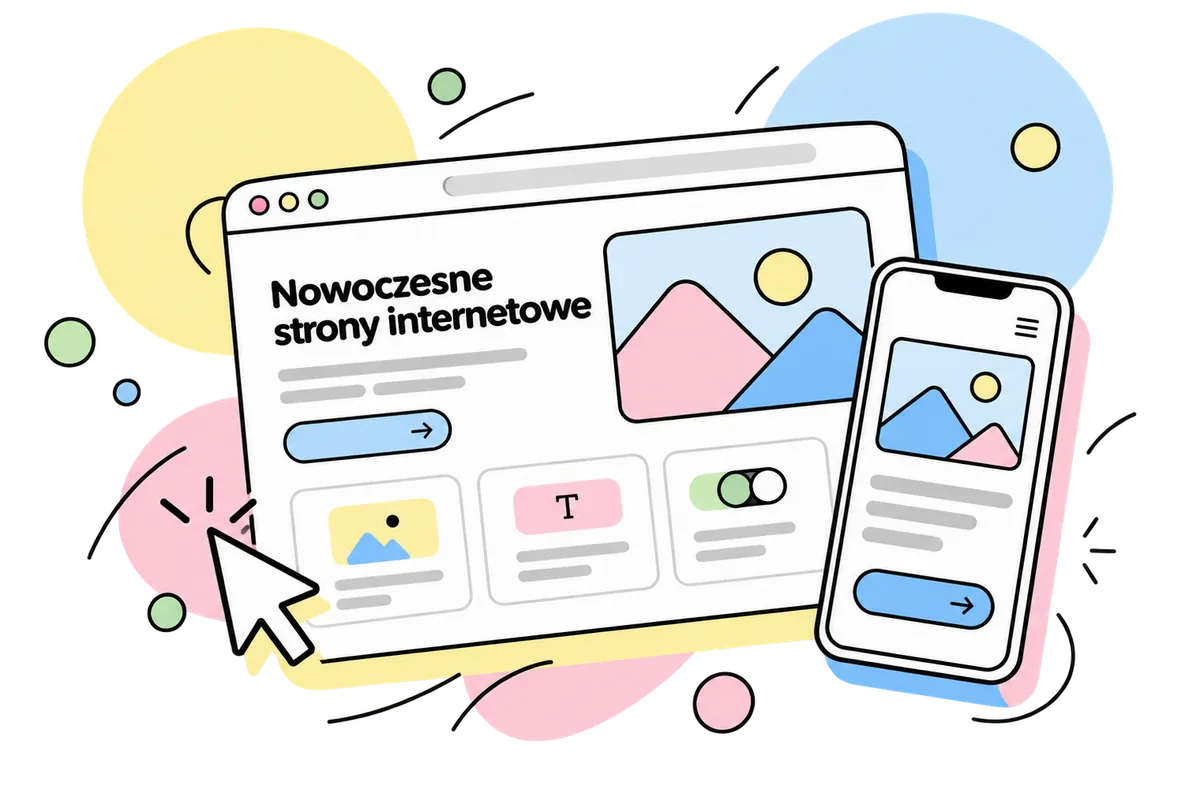
Website design and development
We design websites from the ground up: structure, content, implementation, launch and preparation for future growth.
SERVICES / WEBSITE / SEO
We design websites from the ground up: structure, content, implementation, launch and preparation for future growth.
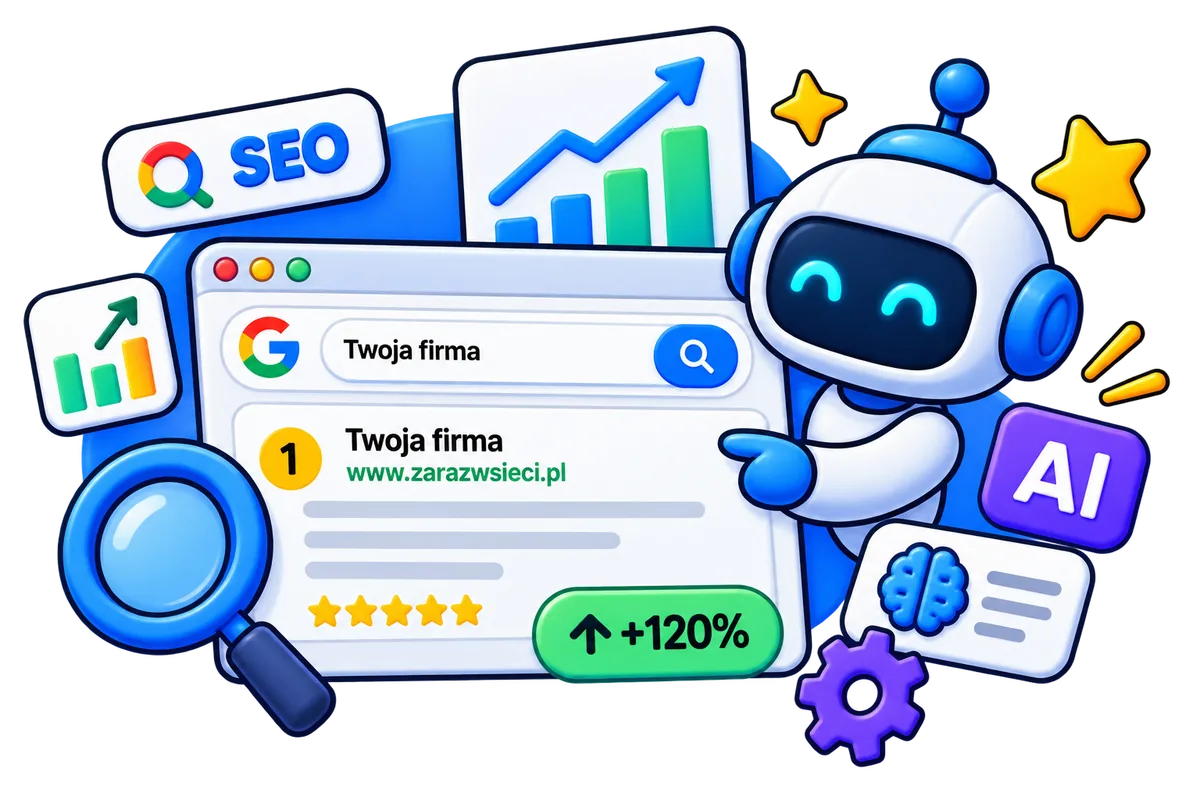
We organize structure and content for Google and local SEO so the offer is easier to find and matched with the right searches.
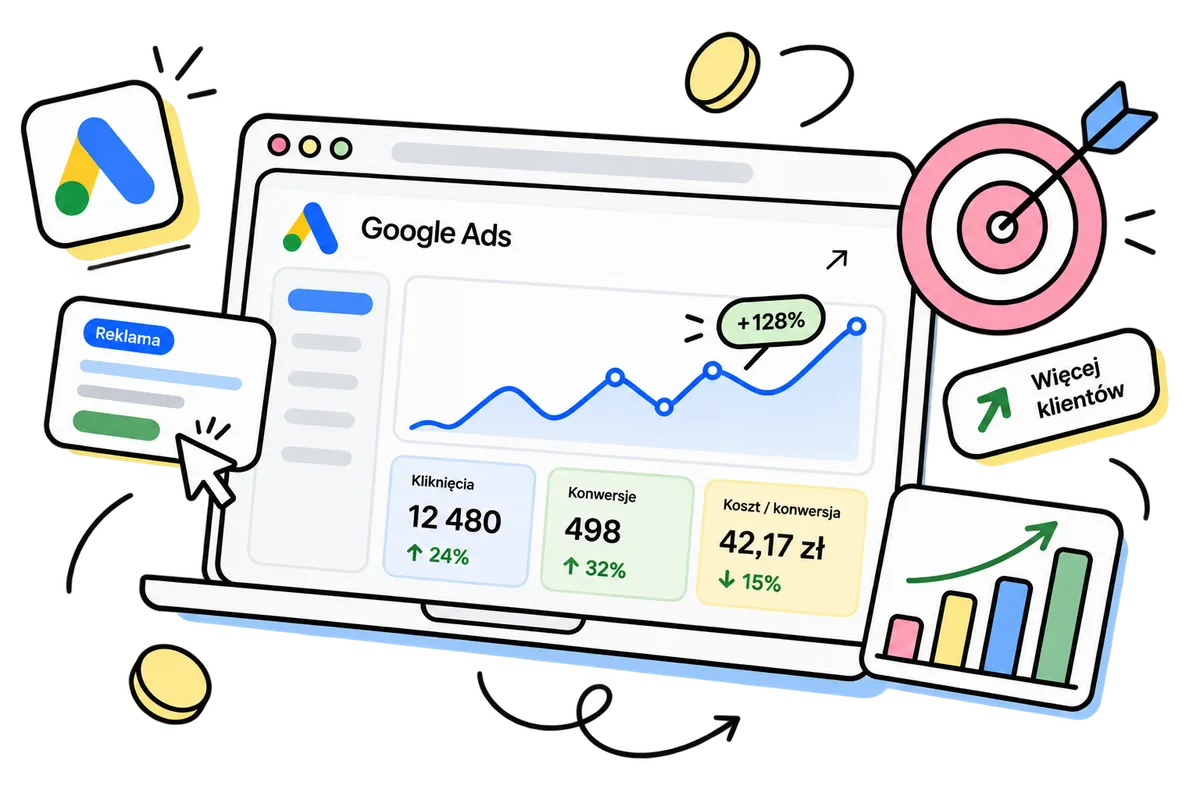
We set up campaigns, measurement and optimization so ads lead users to the right offer, enquiry or purchase path.
Official Shopify implementation partner
We design, migrate and launch Shopify stores: products, payments, data migration, testing and publication of the finished store.
We create 3D models and assets for Roblox games: objects, buildings, map elements and visualizations ready for implementation.
If you only need a very simple online presence and have time to learn, you can try building it yourself. If the website should look professional, work well on mobile, guide visitors toward contact and support future SEO or advertising, it is better to hire someone who can plan the structure, copy, technical setup and business goal of the page.
We look at the website goal, number of sections and pages, forms, copy, language versions and integrations. A short description of the business and offer is enough for us to recommend the simplest sensible scope.
Yes. A well-planned landing page or one-page business website can be a strong starting point when it clearly explains the offer, shows proof and makes contact easy. It can be expanded later as the business grows.
Look for someone who understands how the website should look and what it needs to achieve. It should explain the offer, build trust and make contact easy. Before hiring, ask about the process, mobile design, SEO basics, speed, revisions after launch and future development.
The first step is a solid website foundation. That means logical headings, a clear content structure, metadata, speed, responsive layout, sitemap, schema data and clean URLs. Ongoing SEO can be developed later, but the website should be built from the start so Google and visitors can understand the offer.
Yes, if the offer is simple and the visitor only needs to understand what you do, who it is for, what the next step is and how to contact you. If you have several services, separate service pages are usually better because each offer can be explained clearly and indexed separately.
A short business description, list of services, service area, examples of websites you like and information about logo, photos, copy, domain and hosting are enough to start. The material does not have to be perfect. It just needs to show the direction and scope.
A simple website can be completed faster when the materials are ready and the scope is clear. A larger website with several pages, copy, revisions and deployment needs more time. Most delays come from missing photos, content or decisions on the client side.
No. We can help organize the copy, shorten the offer description and point out which photos are still needed. If you do not have your own materials yet, we can start with a simpler version and replace the images later.
Yes. We can help connect the domain, set up hosting, configure the form, basic DNS records and a business email address. If you already have hosting, we can check whether it is suitable for deploying the website.
Yes. Once the agreed scope is paid for, the website and deployment files are yours. It is also worth making sure you have access to the domain, hosting, forms and analytics so the business is not dependent on one person.
It depends on how the website is built. If you need frequent updates, we can plan a CMS or a simpler editing setup. If speed and stability matter more, it can be better to make larger updates less often and keep the setup lean.
Yes, but the website should still feel consistent. We can start with a simple visual direction based on colors, fonts, layout and basic graphics. A full brand identity can be developed later.
After launch, it is worth checking forms, phone links, the mobile version, indexing, the sitemap and basic analytics. From there, the website can grow with new pages, SEO, Google Ads campaigns or improvements based on how visitors use it.
Yes. If the budget or timeline is limited, we can start with the first screen, contact path, mobile version, key copy and technical issues. Sometimes fixing those priorities brings more value than rebuilding the whole website too quickly.
Yes. If the current website has a usable base, we can improve the first screen, layout, copy, form, mobile view, speed, metadata and internal linking. A full rebuild makes sense when the old structure blocks the next steps.
We make sure important content is available as page text, not only inside images. We prepare logical headings, service descriptions, title tags, descriptions, sitemap, internal links and basic schema data where it is useful.
Yes, when a rebuild changes page addresses. Old URLs should point to the closest new page with a 301 redirect so the website does not lose useful traffic, links and search signals unnecessarily.
A landing page is useful for one service, one campaign or one focused offer. A larger website is better when you need several services, portfolio, FAQ, local pages, SEO content and a longer decision path for the customer.
Yes. The website can later grow with new service pages, guides, portfolio, local SEO, Google Ads landing pages, analytics, integrations or an online store.
We can check the basics: indexing, sitemap, robots, canonicals, redirects, title tags, descriptions, headings, speed, mobile layout and duplicate pages. The first step is to fix what may actually block visibility.
Ask what the service includes, whether the website will be responsive, whether basic SEO elements will be set up, how revisions work, whether there will be a contact form, whether deployment or project files are included and whether the website can be expanded in the future.
The scope depends on the number of services or products, locations, ad budget, ad groups and whether the project also needs a landing page and conversion tracking. We first review the offer and campaign goal, then define the work that makes sense.
DIY can work for very small tests, but professional management is usually better when the campaign should generate enquiries. A manager can plan keywords, negatives, targeting, budget, ads, landing page fit and measurement so the campaign is not just buying random clicks.
A Google Ads expert plans the campaign strategy, chooses keywords, writes ads, sets budget and location targeting, reviews results and helps send paid traffic to the right offer so clicks can turn into calls, forms or enquiries.
Have an idea or an existing website to improve?